Inclusive communities are those that value and celebrate diversity, provide equal opportunities, and create a sense of belonging for everyone. Building such communities is a challenging task that requires the active participation of individuals of all ages, backgrounds, and experiences. One way to achieve this is through intergenerational connections, which have the power to bridge the gap between people of different generations and promote mutual understanding and respect.
The traditional Idoma community is segregated and patriarchal. Intergenerational connections can play a crucial role in building inclusive communities of the future by promoting mutual understanding. Younger Idoma generations may have limited exposure to the experiences and perspectives of older adults, while older adults may not be familiar with the realities faced by younger generations. Intergenerational connections can provide a platform for sharing experiences and stories, which can create empathy and understanding between the generations.
Another benefit of intergenerational connections is that they can foster empathy and compassion. When people of different generations come together, they have the opportunity to learn from each other and gain a deeper understanding of each other’s experiences. This can create a sense of empathy and compassion, which can lead to a greater sense of care and concern for others. This can be particularly important in building inclusive Idoma communities, where individuals may have different needs and experiences that require sensitivity and understanding.
Finally, intergenerational connections can play a critical role in building a sense of belonging. When people of different generations come together, they can create a shared sense of purpose and identity. This can help individuals feel more connected to their communities and can create a sense of pride in being part of a diverse and inclusive group. This can be particularly important for younger Idoma generations caught up in Identity crises, and who may not have a strong sense of belonging in their communities.

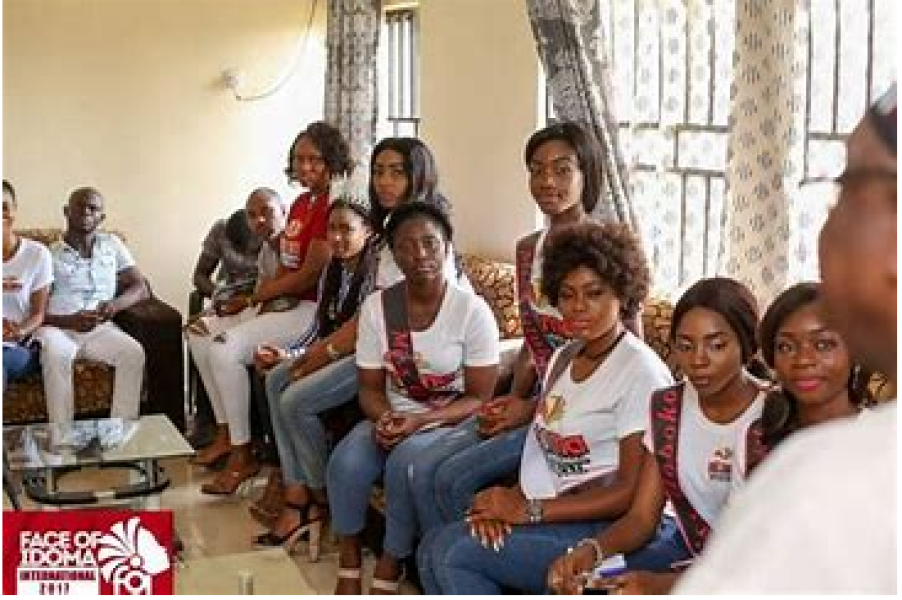
Despite the benefits of intergenerational connections, there are also barriers that can prevent them from occurring. Ageism, stereotypes, and biases can prevent individuals from different generations from working together. Lack of diversity and representation in elective offices can also limit opportunities for intergenerational connections to occur. However, there are strategies that can be used to overcome these barriers and promote intergenerational connections in building inclusive communities.
One strategy for building intergenerational connections is intergenerational dialogue. This involves deliberately bringing people of different generations together to discuss issues and share experiences. By creating a safe space for dialogue, individuals can gain a deeper understanding of each other’s perspectives and experiences. This can help break down barriers and promote mutual understanding.
Intergenerational mentorship is another strategy that can be used to build intergenerational connections. This involves pairing individuals of different generations together to share knowledge and skills. By creating opportunities for mentorship, younger generations can learn from the experience and wisdom of older adults, while older adults can learn new skills and perspectives from younger generations.
Collaborative community events such as IDUUK Dinner & Awards nite can also be used to promote intergenerational connections. By creating events that are inclusive and diverse, individuals of different generations can come together to celebrate and learn from each other. This can create a sense of belonging and connectedness that can promote intergenerational connections.
It can be easy for individuals to remain in their own age groups or to assume that they have nothing in common with people of different generations. But by actively seeking out opportunities for intergenerational connections, individuals can contribute to building a more inclusive community.

About The Author