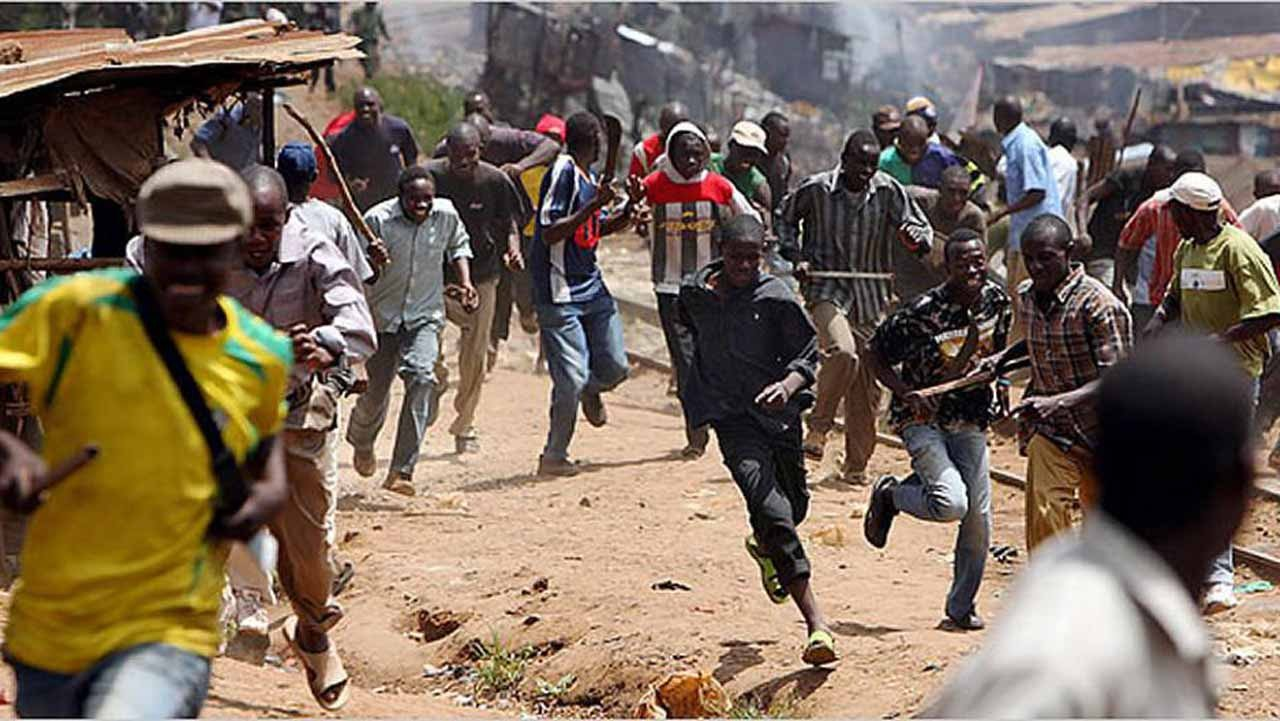
In recent years, Nigeria has been plagued by frequent clashes between farmers and Fulani herdsmen, particularly in Benue state and Idomaland. These conflicts have resulted in the loss of lives and property, displacement of communities, and negative economic and social impacts. Indeed, there are reports that up to 50 people in Benue have lost their lives as a result of these clashes even during the 2023 election period. What are the underlying causes of these conflicts that have become so deadly?.
Historically, the conflict between farmers and Fulani herdsmen in Nigeria dates back to colonial times. The British colonial government introduced the policy of creating grazing reserves for the nomadic Fulani herdsmen, which led to the displacement of local farmers and the loss of their ancestral lands. The impact of population growth and land scarcity has exacerbated the conflict, as farmers and herdsmen compete for access to limited resources. Additionally, the impact of climate change has played a role, as drought and desertification have reduced the availability of grazing lands, forcing herdsmen to move into farming communities.
Due to the annual southward migration of Fulani herdsmen, they often clash with Idoma farmers and other indigenous people of the Middle Belt region over farmland. These conflicts centre around the destruction of crops by the herdsmen’s cattle, as well as incidents of theft or the rustling of livestock by the farming communities. As a result, the native communities voice their complaints and sometimes resort to attacking the herdsmen, while the herdsmen may retaliate with organized violence.

The root causes of the conflict can be categorized into economic, political, social, and environmental factors. One of the key economic factors is poverty and unemployment, particularly among the Fulani herdsmen. This has led to a lack of alternative livelihoods and increased reliance on livestock rearing, which exacerbates the conflict. Additionally, government neglect and inaction, combined with ethnic and religious politics, have created a political environment that perpetuates the conflict. Indeed, the Fulani herdsmen have felt so emboldened that they target Governor Samuel Ortom and his predecessor Mr. Gabriel Suswan of Benue state for attack. This was followed by a failed attempt to install a ‘Saradauna’ of Otukpo in Idomaland.

The impact of the conflict has been devastating, particularly in Benue state and Idomaland. The loss of lives and property has created a culture of fear and insecurity, while the displacement of communities has disrupted social and economic networks. The negative economic impact of the conflict has been significant, as both farmers and herdsmen struggle to maintain their livelihoods in the face of violence and insecurity. Many farmers have begun abandoning their plots to seek safety elsewhere, leading to food shortages, depopulation of fertile land, unemployment, and further damage to an already fragile economy
To address the root causes of the conflict, short-term, medium-term, and long-term solutions must be implemented. Short-term solutions include the disarmament of both parties, dialogue, and mediation, and increased security presence in affected communities. Medium-term solutions involve investment in alternative livelihoods for both farmers and herdsmen, as well as the implementation of ranching policies to reduce competition for resources. Long-term solutions involve addressing underlying economic and political issues, including poverty reduction, land reform, and better governance, as well as climate change adaptation and mitigation efforts.

The conflict between farmers and Fulani herdsmen in Benue state and Idomaland is a complex issue with multiple root causes. Economic, political, social, and environmental factors all contribute to the conflict, which has had devastating impacts on communities in affected areas. Addressing the root causes of the conflict through short-term, medium-term, and long-term solutions is essential for building sustainable peace and promoting economic development in Nigeria. By investing in alternative livelihoods, implementing ranching policies, and addressing underlying economic and political issues, Nigeria can work towards a future where farmers and herdsmen can coexist peacefully and thrive together.
About The Author