
What does true mentoring look like for African professionals who’ve worked so hard to build lives across the world? We’re thriving everywhere — doctors in London, engineers in Toronto, tech leaders in Houston, academics in Manchester, entrepreneurs in Dubai.
We did it through exams, visa stress, discrimination, long shifts, and the pressure to prove ourselves. Having built these careers from the ground up, the real question now is: Who are we pulling up behind us?
In so many African cultures, success was never meant to be a solo achievement. It was communal, generational, and deeply intentional. Yet today, many Africans abroad are busy, accomplished, and proud — but disconnected from mentorship. We celebrate our wins, but we often forget the responsibility of transfer.
And when there is no mentoring, we unintentionally force the next generation to struggle through challenges we’ve already conquered. That is a missed opportunity to multiply impact.
No Mentoring,No Clue
Tomi graduated at the top of her biomedical sciences class in the UK — sharp, driven, and full of ambition. But after dozens of job rejections, her confidence began to slip.
She didn’t understand the hiring system, didn’t know what employers were really looking for, and had no one to mentor her. The talent was clearly there, but the guidance wasn’t.

Everything shifted one evening at a Nigerian community event when she met Dr. Ade, a senior consultant with fifteen years of experience. He didn’t give her vague pep talks or generic advice. Instead, he reviewed her CV line by line with her. He explained the unwritten rules of interview culture, and connected her with two colleagues who could open doors.
Within months, Tomi landed a role through just mentorship. Tomi might have changed careers, if Dr. Ade had stayed silent, been too busy or too distant to help. She might have lost confidence, or convinced herself she wasn’t “good enough.”In the end, his support not only shaped her career; it protected her belief in herself.
More African Mentors Needed
It becomes clear why mentorship matters so deeply, when you look closely at how African professionals grow abroad. We’ve learned the unwritten rules-the networking norms, the interview styles, and the subtle communication cues that no one explains.
Yet, everyone is expected to understand these rules. Young Africans entering these systems often don’t have that insider knowledge, and mentors become the bridge that helps them cross with confidence.
Representation plays its own quiet magic. When a young professional sees someone who looks like them thriving with integrity and excellence, something shifts inside. The thought becomes, “If they did it, maybe I can too.” That single spark can dissolve years of self‑doubt.
Mentorship also strengthens our communities from within. Too often, African youth look outward for validation because we haven’t built enough internal guidance. When we mentor, we build confidence at home.
And then there’s the practical side, like the mistakes that can be avoided. Visa errors, career stagnation, financial missteps, workplace misunderstandings. A mentor’s experience can save someone years of regret.
Ultimately, mentorship builds collective power. One African rising alone is success. Many rising together becomes influence — the kind that shapes industries, opens doors, and changes narratives.
Why Are African Professionals Not Mentoring?
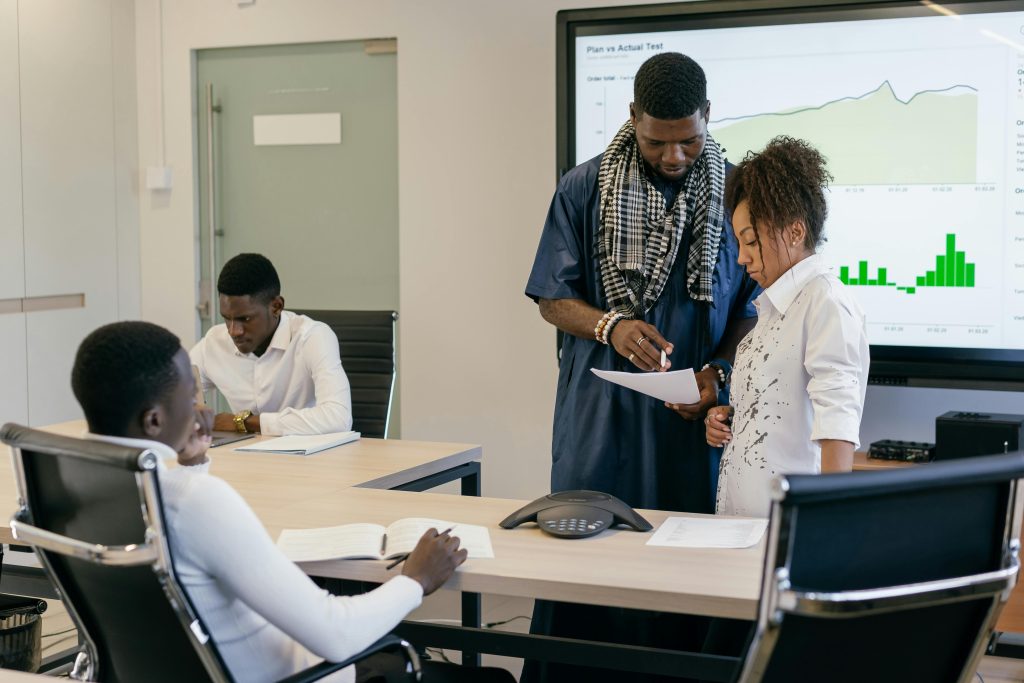
Let’s be honest — “I’m too busy” and the excuses come quickly. And yes, careers, family, and life abroad can be demanding. But mentorship doesn’t require daily check‑ins or long commitments. Sometimes a single conversation every few months can change someone’s entire trajectory.
Then there’s the classic: “No one mentored me.” True, many of us had to figure things out alone. But that’s exactly why we should make the road smoother for those coming after us, not repeat the cycle of silence.
Another fear is, “People may take advantage.” Mentorship is guidance, not carrying someone’s responsibilities or rewarding laziness.Ultimately,boundaries matter and you can support without being drained.

And the most common excuse is “I’m not senior enough.” If you’re even two steps ahead of someone, you have perspective they don’t. That’s all mentorship really is : sharing what you’ve learned so someone else doesn’t stumble in the same places.
It’s not about perfection. It’s about perspective, generosity, and remembering that someone once wished for the help you’re now able to give.
Professionals Can Start Mentoring
Remember that titles fade, positions shift, industries evolve, but the people you mentor — they become the true measure of your impact.
African professionals abroad carry wisdom shaped by sacrifice, and that knowledge shouldn’t retire quietly. When we fail to mentor, we slow our collective progress.
But when we guide, support, and model excellence, we build more than careers — we build continuity.
Who guided you — and who are you guiding?Share in the comments below.
About The Author