
You finally made it abroad. The roads are clean, the hospitals are better, and the medicine actually works. But somehow, health still finds a way to show us pepper.
It’s the silent stuff that creeps in and never quite goes away—hidden hypertension, untreated stress, fatigue. For many Nigerian families abroad, these health issues don’t come with loud alarms.
Why does this happen? Because we’re busy. Hustling. Chasing bills. Sending money home. And when the symptoms show up, we brush them off with a casual “it is nothing.” But deep down, we know better: if we don’t prioritize our health, no one else will.
That’s why in this edition of Oladam Blog, we’re breaking the silence. We’re naming the top five health challenges Nigerian immigrant families face—and more importantly, how to take action now.
Wake-up Call
Ngozi’s dad had been in the UK for years. A hardworking man, always juggling two jobs, always exhausted. He’d come home with pounding headaches, but he’d wave it off with a smile—“ old age,” he’d say, reaching for Panadol like it was a cure-all.
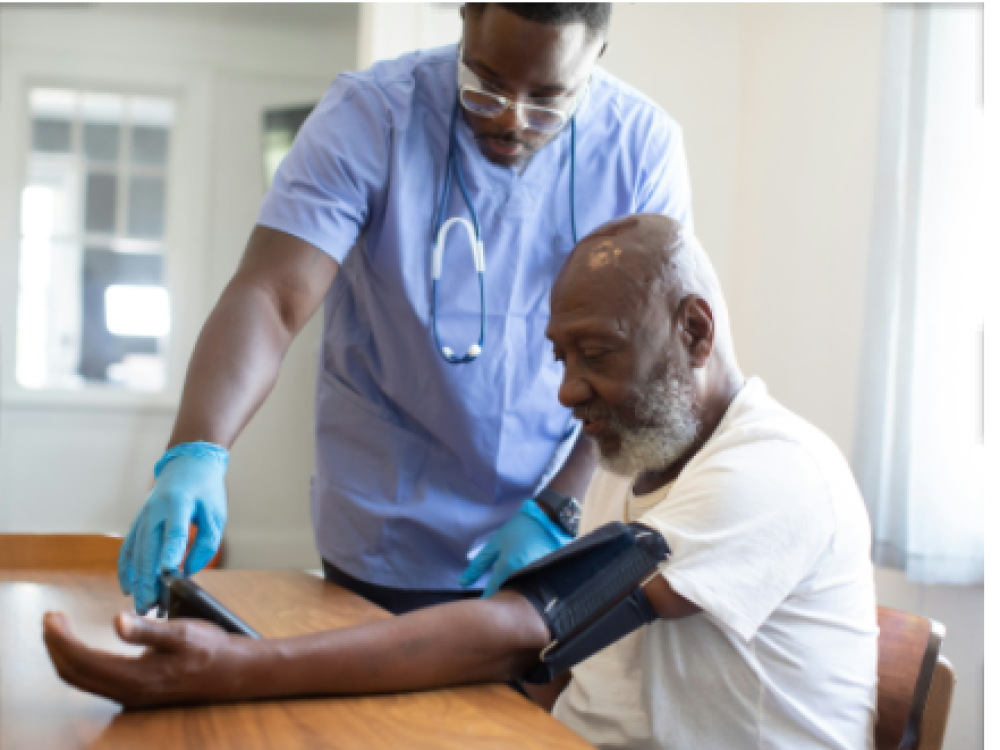
Then one morning, he didn’t wake up. The autopsy revealed the truth: undiagnosed hypertension. No GP visits or regular checkups. No screenings. Just vibes, hustle, and over-the-counter painkillers.

His story isn’t unique. It echoes the quiet reality many Nigerians in the diaspora live with—pushing through stress, overwork, and untreated health issues, all while trying to look “okay” on the outside.
We can’t keep waiting for a health scare to take our bodies seriously. Let’s normalize checkups, screenings, and rest. Because good health is wealth.
5 Common Health Issues
For many Nigerians living abroad, the dream of a better life often comes with an invisible cost: our health. Beneath the clean streets and modern hospitals, there are silent battles being fought in our bodies.
Take hypertension and heart disease. We often say, “high blood pressure runs in the family,” like it’s destiny. Stress, poor diet, and skipping regular checkups quietly fuel this silent killer. And the worst part? It shows no symptoms until the damage is done.
Then there’s diabetes. Unchecked sugar levels can lead to serious consequences—vision problems, kidney issues, and more. Type 2 diabetes is rising fast in African communities abroad, and many don’t even know they’re at risk.
Mental health is another quiet struggle for men and mothers. The isolation, the homesickness, and the pressure to hold everything together without a support system weighs heavy. A culture of silence allows depression, anxiety, and burnout quietly take root.
Obesity and inactivity have also crept in. Now it’s Uber everywhere, desk jobs, and long winters indoors. Exercise becomes rare, and belly fat becomes common. This leads to a higher risk of nearly every chronic illness we fear.
And perhaps the most dangerous habit of all? Waiting. We wait until we’re sick before seeing a doctor. We mistrust the system, fear the costs, or simply don’t know how it works.
These aren’t just statistics. They’re real stories, real risks, and real reasons to start paying attention. Because abroad may offer better healthcare—but only if we choose to use it.
Take Action
Good health doesn’t happen by accident—it’s built, one intentional choice at a time. For Nigerian families abroad, it’s time we made wellness part of our everyday culture, not just something we chase in crisis.
Start with the basics: make annual checkups a family tradition. Just like you never forget your child’s birthday, don’t forget to schedule that GP visit, dental cleaning, or eye test.
And when it comes to food, balance is key. Sure, Jollof rice and egusi is our identity. But let’s balance them with more greens, less oil, and lean, grilled proteins. Small changes, big difference.
Mental health deserves just as much attention. We need to talk about it openly because therapy isn’t taboo. Let’s create safe spaces, whether in church groups or WhatsApp chats, to say, “I’m not okay.” And use free support often offered by the NHS and local clinics.
Movement is medicine too. You don’t need a gym membership to stay active. A 30-minute walk, a quick home workout, or dancing to Afrobeats in your living room can do wonders. The goal isn’t perfection—it’s consistency.
And finally, don’t keep good health to yourself. If you find a Nigerian GP who listens, a free screening program, or a local fitness class—share it.
Health Is Wealth
You want to send money home. Build that house. Raise strong kids. But none of that will matter if your health breaks down.
Take care of your body like you take care of your hustle. Because in the diaspora, survival isn’t enough. We must thrive—mind, body, and soul.
What’s one health habit you’re working on this year? Drop it in the comments. Let’s hold each other accountable as a community.
About The Author