
For many Nigerians and Africans living abroad, money and spiritual values are deeply intertwined. It is not only deeply personal, it is also about legacy, responsibility, and the quiet hope of building something that lasts.
The diaspora journey is fuelled by the dream of creating wealth, supporting loved ones back home, and investing in causes that reflect core values. But somewhere between sending remittances, giving at church, and navigating life in a new land, it can often feel that we lost our essence.
In cultures where faith shapes our view of success, wealth often feels like a paradox. It is celebrated when earned with integrity, yet becomes suspect when it seems too worldly.
But what if money and spiritual values are not at odds? What if managing your money wisely was even a spiritual act—an expression of stewardship, discipline, and vision?
In this journey, we’ll explore how your spiritual convictions can align with financial clarity, and allow you to thrive abroad without losing your peace, or your cultural pride.
Money And Spiritual Values Cooperate
When Tunde left Ibadan for Houston, he carried a heart full of dreams and devotion. A committed Christian, he tithed without fail, sent money home to support his extended family, and spent his weekends serving at church. His life was rich in purpose, but thin in financial margin.

While others around him were stacking up savings and launching businesses, Tunde found himself stuck in survival mode. He gave generously month after month, but he had little left to build with.
One Sunday, his pastor preached on the Parable of the Talents, urging the congregation to see wealth as a responsibility. The message hit home that God blesses planning, discipline, and vision.
That week, Tunde took a bold step. He sat down and created a budget that included his giving and saving. He met with a Christian financial planner who helped him align his money and spiritual values. And he launched a modest logistics side hustle, using skills he’d overlooked for years.
Twelve months later, the transformation was complete. Tunde had become debt-free, and his tithe had grown. His support to family back home was steady, and importantly, he felt more at peace.
Money And Spiritual Values Shape Us
For many Africans raised with spiritual values, humility was often taught hand-in-hand with scarcity. Hence, prosperity, could be mistaken for pride or arrogance. And so, a quiet guilt began to form around the very idea of wealth.
This guilt followed many into the diaspora, leading to the pressure to give constantly. But beneath the generosity, there’s often a silent struggle. Many spend more than they save, not because they lack discipline, but because they feel obliged to do so.
Then there are the financial realities of life abroad. Rent, taxes, credit scores, and systems really don’t care how hard you pray or how faithfully you serve. No wonder the most diligent can feel like they’re falling short.
Although many sermons remind us to “trust God for provision,” few teach us how to steward what He provides. Sadly, budgeting, investing, and planning are rarely framed as spiritual disciplines, which they are.
Striking A Balance
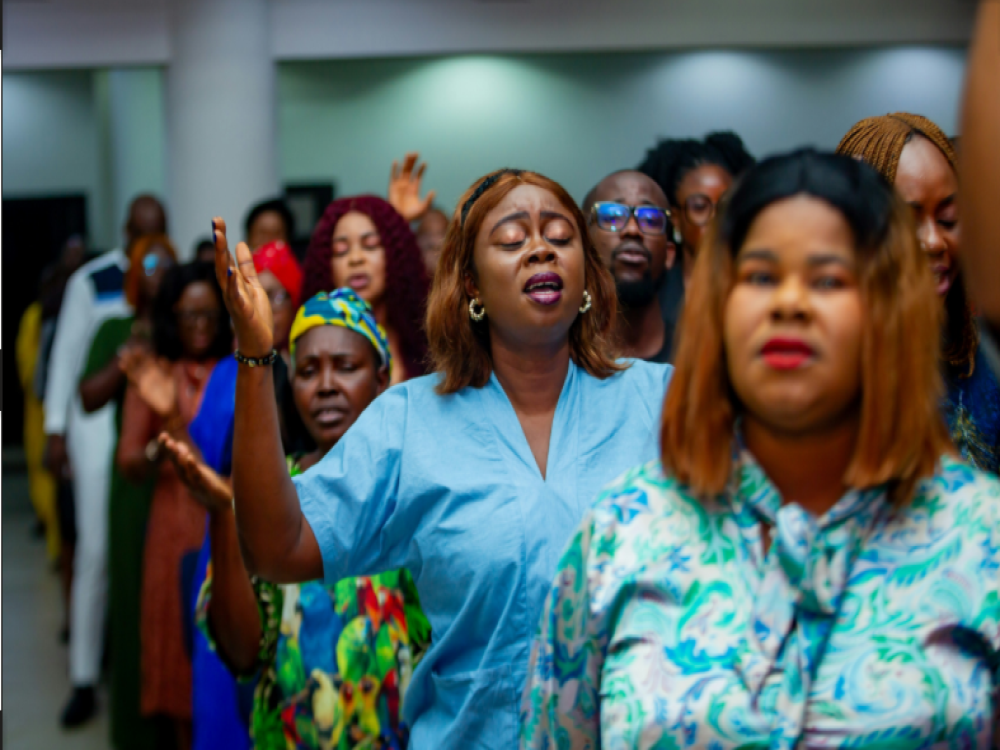
When it comes to money, many Africans abroad walk a tightrope between spiritual conviction and practical survival. But how can your life reflect both money and spiritual values? It starts with intention.
Tithing and giving aren’t meant to be impulsive acts driven by guilt or emotion. That’s why Tunde, began assigning every pound a mission. His budget became a reflection of his values, not just his expenses.
He also reframed how he saw investing. No longer a worldly pursuit, it became an act of stewardship. Like the servants in the Parable of the Talents, his goal was to multiply what God had entrusted to him for a legacy.

The pressure to give never stopped, as requests from home, church, and community kept coming. But Tunde learned to separate emotion from obligation. Boundaries helped him give better, not less.
And through it all, he prayed in moments of planning. Faith merely guided, but did not replace wisdom. He sought out mentors who preached prosperity, but also lived with integrity. He was able to see that loving God and building wealth weren’t enemies.
Is Money Evil?
In truth, money is neutral. It only reflects who we are and what we value. Real abundance is not just about what’s in your account. It is also about what’s in your alignment.
Tunde didn’t choose between money or spiritual values — he found alignment between both. His story shows us that stewardship is worship. Managing resources wisely is as spiritual as prayer or service.
How do you personally balance money and spiritual values abroad? Share your story below— your journey could inspire someone else’s breakthrough.
About The Author