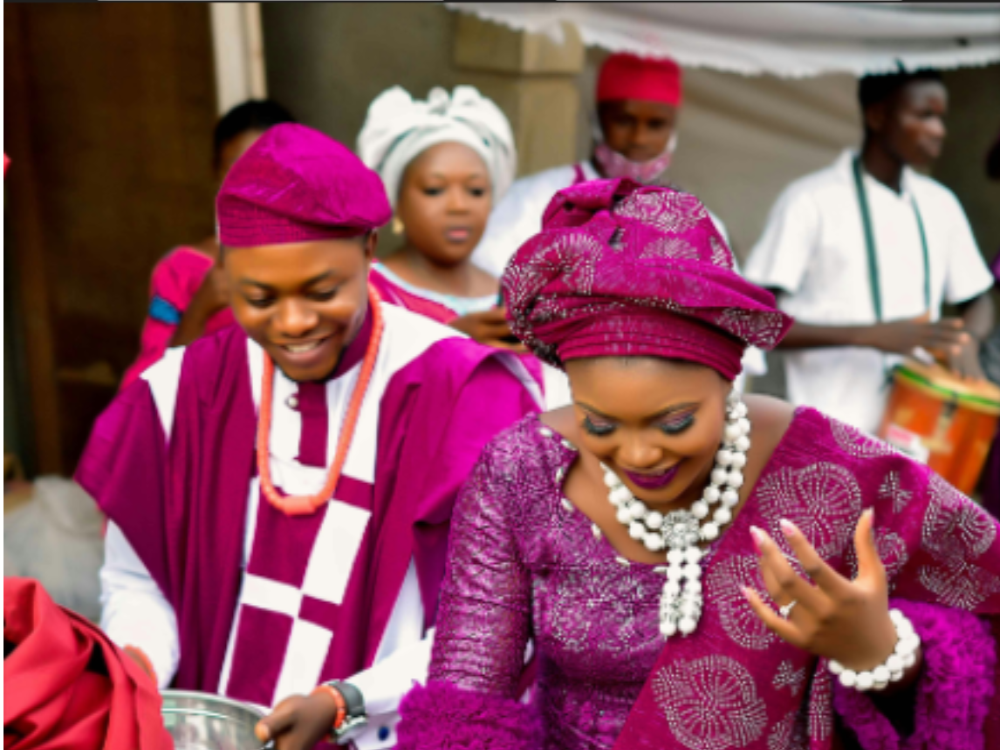
In Nigeria, going to church wasn’t a question—it was the rhythm of life. Sunday service. Midweek prayers. Saturday Choir practice. Monthly fasting and prayer.
But abroad, it’s different. Work stretches into the weekend. Community feels distant, and winter winds remind you that church isn’t a stroll away—it’s a 30-minute drive through snow, or a livestream you half-watch while folding laundry.
You start skipping. First one week, then three. “God understands,” you tell yourself. And He does. But let’s be honest: something’s missing.
Whether you’re freshly abroad or have been navigating diaspora life for years, this edition of Oladam discourse explores why church still matters—and how it’s evolving with us.
Church Fellowship
When Chika landed in Minnesota, she brought with her a quiet resolve to step away from “Nigerian church culture.” She was tired of the long services that stretched into the afternoon. And tired of the watchful aunties with their knowing glances.
So, she decided to pause. She tuned in to sermons online, hoping to keep some kind of connection. But the screen felt cold. No warm greetings. No spontaneous hugs. Not even worship that stirred her to tears. It was the Word, but stripped of its warmth.

And then she found a modest African-led church tucked 30 minutes away. The pews were worn, the choir small, but the welcome was full. When someone had an interview, they laid hands and prayed. When immigration news came, the whole room celebrated—or comforted.
Week by week, something shifted. Church became more than just a Sunday ritual. It became her refuge. A space where no one asked her to repeat herself. Where her story didn’t need subtitles. Where her battles were met with nods of knowing, not confusion.
For Chika, it was no longer about routine or religion. It was about home. It was about being seen. It was about belonging.
‘Nigerian Style’ Church
In the quiet ache of diaspora life, church often becomes more than just a place of worship—it becomes a lifeline.
It begins with a simple nod. A shared glance that says, “I see you.” A brother whispers an “Amen” as the pastor prays about immigration delays. Aunties ask how you’re really doing & then follow up with a pot of soup.
In a world that may mispronounce our names, question our clothes, or reduce our faith to a curiosity, church becomes a mirror. It reflects who we are and reminds us that both our spiritual and cultural identity, are valid and celebrated.
In the solitude of migration, church is one of the rare spaces where you don’t have to explain yourself. Every day can feel like a battle between assimilation and authenticity. But in church, your tears don’t need subtitles and silence still speaks volumes.
And when life hits hardest—when there’s a job lost, a visa denied, a lease unsigned—it’s often a church member who steps in. A ride to the interview. A co-signer. An aunty who watches the kids. Long before systems catch up, the church has already answered.
Make Church Work
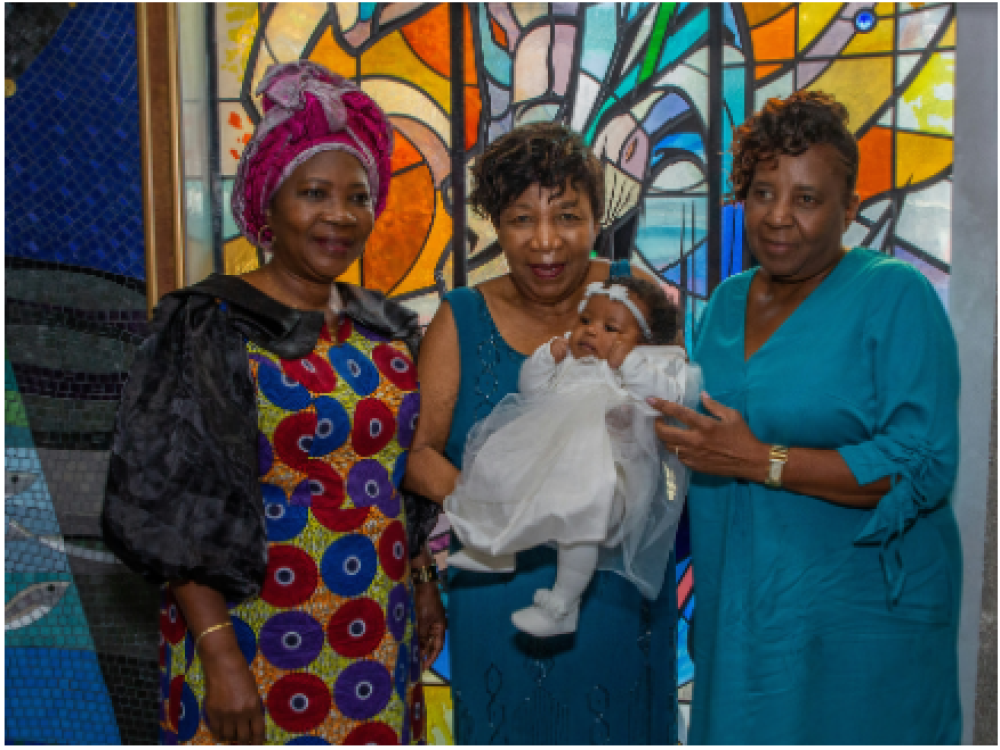
Not every church understands the nuance of the immigrant experience. Some spaces may offer solid theology but feel tone-deaf to your culture, your accent, your history. That’s why finding a culturally-aware church matters.
And even then, church doesn’t always need stained-glass. Sometimes, it looks like a house fellowship on a Thursday night, or a prayer walk through your neighbourhood park. It’s in the gospel brunch where testimonies and to-do lists blend.
But let’s be real—some of us carry church wounds. Spiritual exhaustion. Religious trauma. If that’s your story, take your time. Extend grace to yourself. But don’t retreat too far—because healing often happens in circles that feel safe, not perfect.

When you do return, choose a church that fuels your becoming. A space that invites your questions, celebrates your gifts, and makes room for your evolution.
And if none of the existing spaces fit? Make one. Call two friends. Light a candle. Press “record” on a voice note devotional. Diaspora revivals rarely start from stages. More often, they begin in WhatsApp chats and living rooms.
Still Worth Showing Up
Church abroad may look different from the churches we grew up in—but it still matters. In a world that often pulls us in a thousand directions, church grounds us in truth, in heritage, and in each other.
It doesn’t have to be perfect to be powerful. Sometimes, all it takes is a room full of people who believe with you, pray for you, and remind you: you’re not doing this life alone.
What’s been your experience with church in the diaspora? Share in the comments—your journey could be someone else’s encouragement.
About The Author