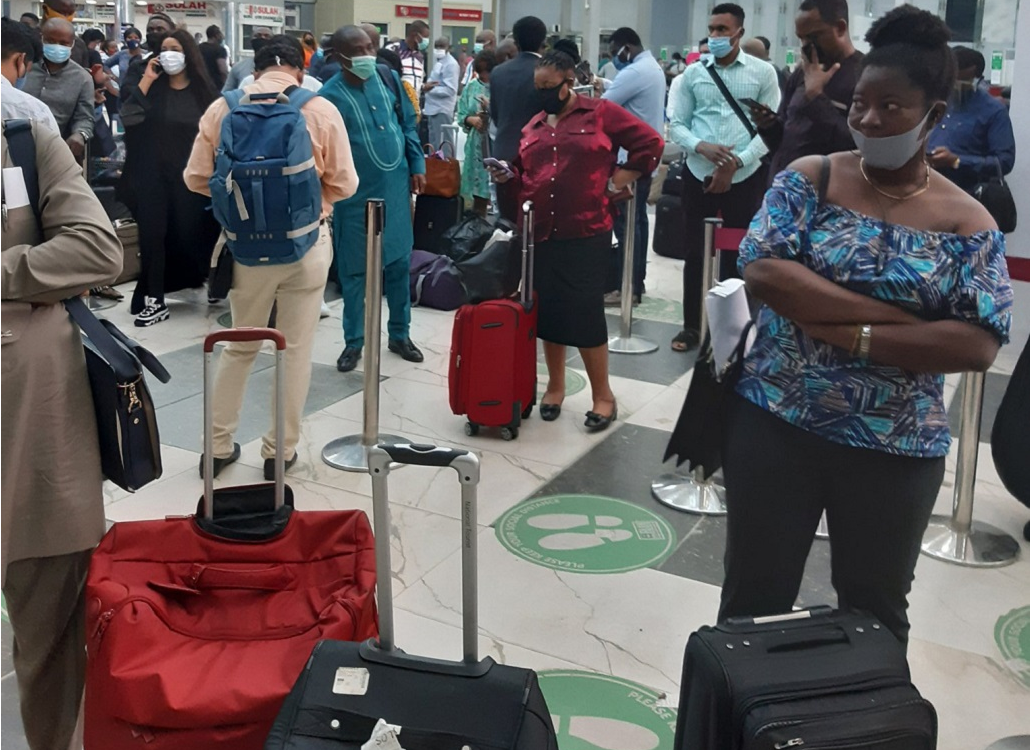
For so many years, JAPA which refers to the act of leaving Nigeria for greener pastures abroad, became a buzzword. However, a new, quieter & opposite movement is gaining ground: reverse JAPA.
Nigerians who once left are now finding compelling reasons to return home. At first glance, it seems odd. Why would anyone come back from places with better infrastructure, pay, and passport power?
But scratch the surface, and you’ll find stories full of hope, heart, and a reawakening sense of purpose. Maybe you’ve asked yourself if leaving is really the only answer—or what it means to live fully as a Nigerian today.
In this post, we’ll explore six powerful reasons why the tide is shifting, and why more people are returning not just out of necessity, but by choice.
The JAPA Promise
Chuka stood in line at Heathrow, his boarding pass trembling slightly in his hand. Not from fear, but from emotion. Four years ago, he’d left Nigeria with a suitcase full of dreams and a heart full of doubt. He’d achieved a lot abroad—an IT job in Manchester, a decent flat, and even a relationship.
But despite the financial stability, something tugged at him. Every December visit to Lagos reawakened a dormant fire: the joy of speaking Pidgin freely, suya at midnight, the chaos and creativity of Naija life.

Then COVID hit. Isolation. Distance. And the racial tensions in the UK? Let’s just say, the “you people” comments wore him thin. Slowly, the dream life began to feel like exile. He started seeing returnees in his circle—tech bros setting up startups in Yaba, creatives building movements in Abuja.
Now, here he was, boarding a flight back—permanently. Not out of defeat, but purpose. He realized: it’s not just about where you live, but where you can thrive and feel seen. Chuka isn’t alone. This is reverse JAPA, and it’s real.
Dreams Die First
Let’s be honest—JAPA doesn’t always deliver the dream. Many Nigerians abroad face harsh realities that rarely make it to Instagram. Here are 6 reasons fuelling the reverse JAPA phenomenon:-
Loneliness is one of the most under-discussed struggles. In foreign countries, isolation is real, especially for those without extended family. Cultural disconnect makes socializing harder, and being “the other” is a daily experience.
Then there’s racism—overt or subtle. Whether it’s being passed over for promotions or constantly needing to prove yourself twice as much, the emotional toll adds up.
Cost of living is another silent stressor. Yes, you’re earning in dollars or pounds, but housing, childcare, and taxes eat into that fast. Some JAPA stories are financial treadmill tales—running hard but going nowhere.
And then, there’s identity fatigue. Constant code-switching, dampening your Africanness just to “fit in”—it’s exhausting. Over time, some realize they’re surviving, not living.
Even success stories carry a silent question: “What am I building here that truly belongs to me?” For many, that question becomes louder than the applause.
JAPA, Forward or Reverse?
What happens when you stop asking, Where can I escape to? And start asking, Where can I build something that lasts? That’s the energy fuelling reverse JAPA.
First, opportunity at home is expanding—especially in tech, fintech, and the creative economy. With remote work, many are earning in foreign currencies from Nigeria, reducing the need to relocate.
There’s also a growing sense of impact. Diasporans are returning to lead change—founding startups, launching social enterprises, or running for office. The emotional fulfilment that comes from shaping your homeland outweighs mere comfort abroad.


Culturally, Nigeria’s Gen Z and Millennials are reclaiming pride in identity. From fashion to film, Afrocentrism is hot. Returning home means being part of a cultural renaissance you can’t feel fully from a distance.
Cost-wise? With a strong digital hustle or foreign client base, you can enjoy a relatively high quality of life in Nigeria, without the burden of foreign bills.
And family—our strongest unit—matters. Being close to parents, ageing relatives, and a vibrant community network isn’t something you can outsource. For many, home is calling louder than ever.
Conclusion
The reverse JAPA trend isn’t just a blip—it’s a statement. It says: I have something to give, not just something to gain. For every hardship abroad, there’s a newfound possibility back home. Nigeria isn’t perfect, but it’s ours. And that ownership comes with unmatched opportunity to create, to belong, to thrive.
If you’ve ever felt torn between staying away or coming back, know you’re not alone—and you’re not crazy. The tide is shifting. Maybe it’s time to ask: What if home is where my future begins, not ends?
About The Author